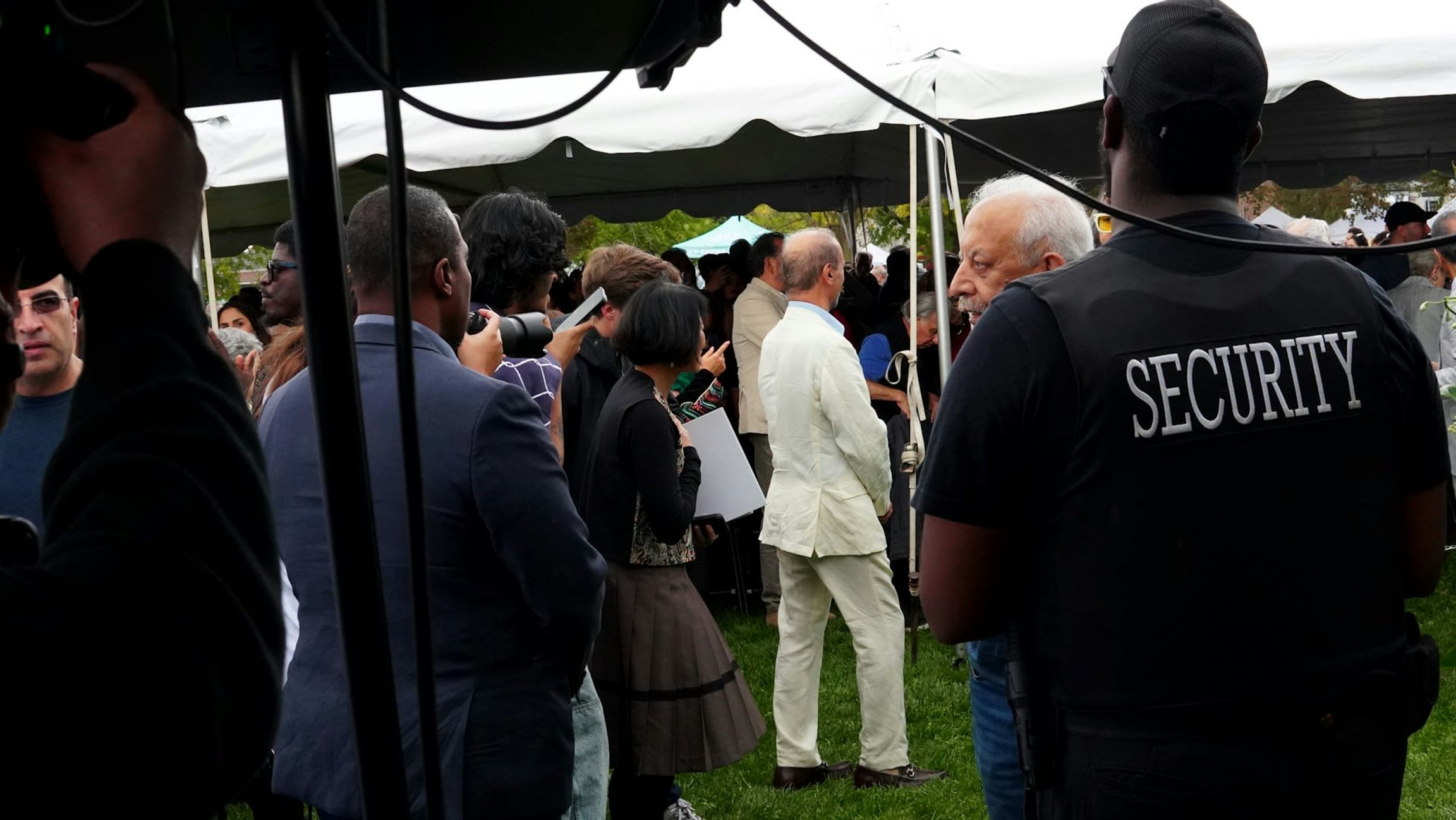
Look for relevant experience
A provider does not need to have worked in the exact venue before, but it should be able to explain the risks it expects from your type of event and how it would plan around them.
Ask for examples that resemble your event. A boxing show, wedding, festival and corporate function each place different demands on a team.
Ask how the plan will be built
Good answers should go beyond a number of guards. The company should want to know about entrances, exits, restricted areas, alcohol, performers, deliveries, traffic and the periods when the venue will be busiest.
- Who is leading the deployment?
- How are radios and escalation handled?
- What happens if attendance or timings change?
- Which duties require licensed personnel?
- What insurance is in place for the work being provided?
Pay attention to how they communicate
The planning stage tells you a lot. Clear questions, written confirmation and sensible boundaries are good signs. Vague promises and a refusal to discuss the detail are not.
On the day, security should support the event rather than become the event. The best teams deal with routine issues quietly and keep organisers informed when something genuinely needs attention.