Do the difficult thinking early
The easiest incident to manage is the one prevented by a sensible plan. Before an event opens, identify where people enter, where they queue, which areas are restricted and how staff will respond if attendance, weather or timings change.
Match staffing to the event
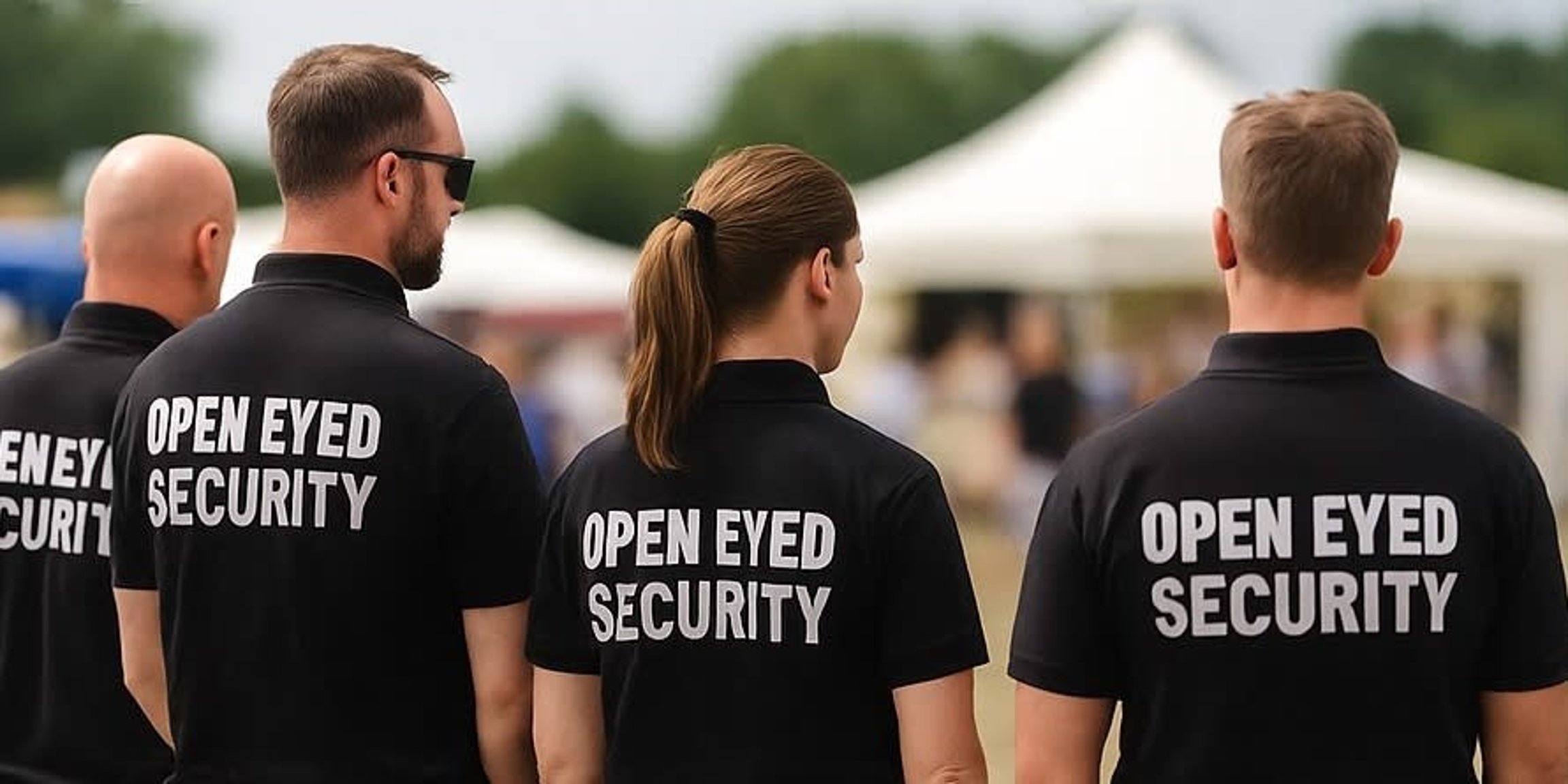
Numbers matter, but placement matters more. A strong plan puts people where they can actually control access, observe crowd movement and respond without leaving another part of the venue exposed.
- Entrances and ticket points
- Bars and busy circulation areas
- Backstage and staff only areas
- Vehicle and delivery routes
- Emergency access routes
Keep communication simple
Everyone involved should know who is leading security and how urgent information reaches them. Organisers, venue staff, medical support and security should not be working from separate assumptions.
A short briefing, clear radio channels and sensible handovers can prevent a small issue becoming a confusing one.
Protect the guest experience
Security should create confidence, not tension. Friendly directions, calm intervention and professional presentation all matter, particularly at weddings, private functions and community events where the atmosphere is part of the reason people are there.